Neurodiversity at Lamledge School
Welcome to the Lamledge Neurodiversity Blog
We are proud to launch this space to explore and raise awareness of neurodiversity. It describes the many different ways people think, learn, feel and make sense of the world around them.
At Lamledge, we recognise that every mind is unique. There is no one way to learn or experience life, and that difference is something we value deeply.
This blog was created to help shine a light on just how broad neurodiversity is. It includes conditions such as autism, ADHD, dyslexia, dyspraxia and more, each with its own strengths and challenges.
We want to share information, real-life experiences, and helpful ideas for how we can better understand and support children and adults who are neurodivergent.
Whether you are a parent, a member of staff, or someone who simply wants to learn more, we hope this space helps build understanding and opens up conversations that matter.
Recent Posts
- Famous Faces, Different Brains: Celebrating Success with ADHD ↩︎
- It is ok to be worried about returning back to school – 30/08/2025 ↩︎
- What is neurodiversity? ↩︎
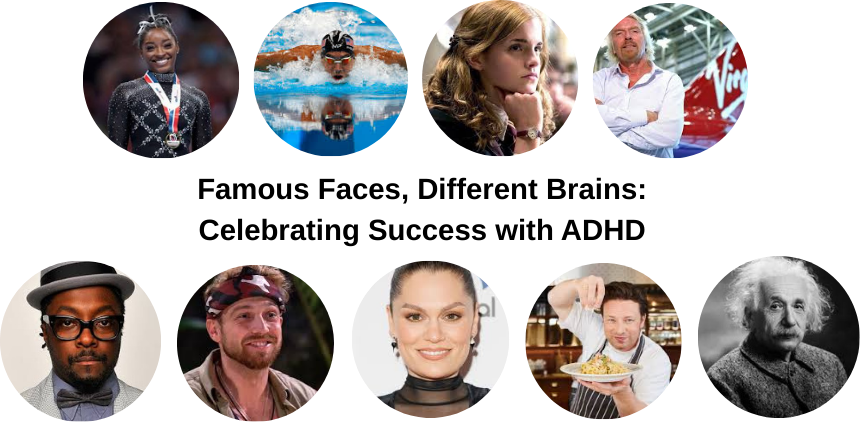
1Famous Faces, Different Brains: Celebrating Success with ADHD
What these well-known names show us about thinking differently
Living with ADHD can be tough, especially in a world that doesn’t always feel built for brains that move fast, bounce between ideas, or struggle to sit still. For many young people (and even adults), having ADHD can sometimes feel like they’re “not getting it right” while everyone else seems to have it together.
But the truth is: ADHD doesn’t mean you’re broken, it means you think differently. And lots of people who think differently go on to do extraordinary things.
Why Famous People Talking About ADHD Matters
When public figures talk openly about ADHD, it can be incredibly powerful. For children and young people especially, seeing someone successful who also has ADHD helps show that it’s not a barrier to success, it’s part of what makes them unique.
It can also help challenge the old-fashioned myths that ADHD means someone can’t focus, isn’t clever, or won’t cope with pressure. In fact, many people with ADHD are creative, energetic, passionate, and driven, especially when they’re doing something they love.
Famous and Brilliant People with ADHD
Here are just a few names you might know—who’ve not only talked about having ADHD, but have shown the world how to thrive with it:
🏅 Simone Biles – Olympic Gymnast
Simone is one of the most decorated gymnasts in history. She’s been open about her ADHD, saying it helps her stay focused and energetic in competition. Her story reminds us that differences can be a strength when supported properly.
🏊 Michael Phelps – Olympic Swimmer
As a child, Michael struggled to sit still in class and focus, but once he got in the pool, everything clicked. He holds more Olympic gold medals than anyone in history, and he credits swimming as a way to channel his ADHD energy into something powerful.
🎭 Emma Watson – Actress & Activist
Best known for playing Hermione in Harry Potter, Emma has spoken about using support strategies to manage her ADHD symptoms while balancing acting and university studies. She’s now also a UN ambassador for gender equality.
🚀 Richard Branson – Entrepreneur
The founder of Virgin says his ADHD and dyslexia gave him a creative edge. He’s used his “different thinking” to build a global business empire, and encourages young people to embrace what makes them stand out.
🎤 Jessie J – Singer
Jessie J was diagnosed with ADHD as an adult. She describes herself as full of energy and often impulsive, something she now channels into powerful live performances and songwriting.
🎧 Will.i.am – Music Producer & Innovator
Will.i.am has said that his ADHD means he’s always thinking about ten ideas at once. That might sound difficult, but for him, it fuels his creativity in music, tech, and design.
🍳 Jamie Oliver – Chef & Campaigner
Jamie was diagnosed with ADHD and dyslexia later in life. He said that school was hard, but cooking helped him find focus, purpose, and passion. Now, he uses his energy to make food education better for everyone.
📺 Sam Thompson – TV Personality
Sam, from Made in Chelsea and I’m a Celebrity, was diagnosed with ADHD in his 30s. He’s since used his platform to speak honestly about his experiences, helping others understand what ADHD can look like in adulthood.
🌌 Albert Einstein – Physicist
Einstein wasn’t formally diagnosed with ADHD, but many believe his traits such as daydreaming, curiosity, difficulty in traditional classrooms, align with it. What’s certain is this: his different way of thinking changed science forever.
What Can We Learn from Their Stories?
Seeing people with ADHD thrive in different careers helps young people (and adults!) realise:
- ADHD isn’t a flaw, it’s a different brain style
- Success doesn’t mean doing things the “normal” way
- Support, understanding and flexibility make a huge difference
Many of the individuals above credit things like:
- Therapy or coaching
- Creative outlets
- Supportive adults around them
- Learning how to work with their brain, not against it
A Final Thought
If you or your child has ADHD, remember: you’re in good company.
There’s no one way to be successful, and there’s no one way to be smart. ADHD can come with challenges—but also with energy, passion, creativity, humour, compassion and resilience.
Let’s keep celebrating brains of all kinds.
3What is Neurodiversity?
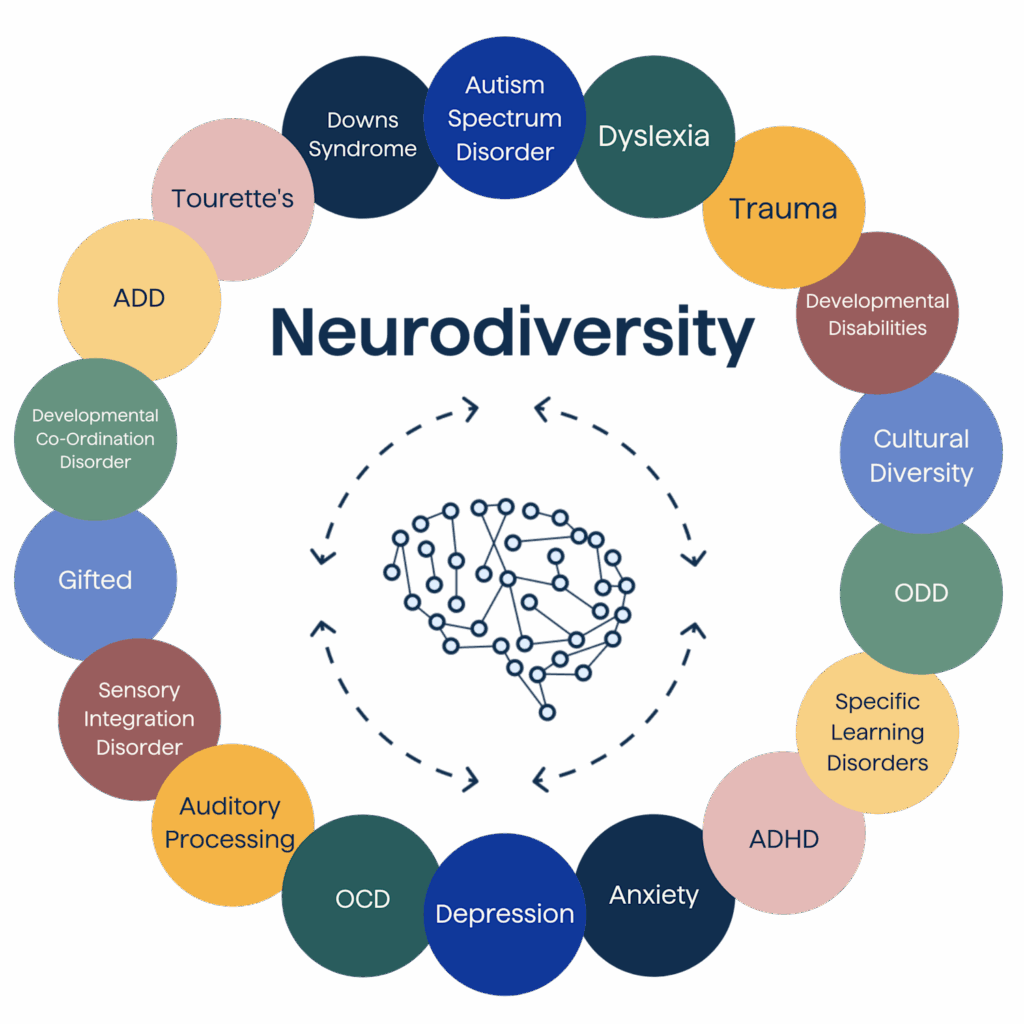
Neurodiversity is a term used to describe the natural differences in how people’s brains work. Just like we all have different personalities, we also have different ways of thinking, learning, communicating and processing the world around us.
Some people are neurotypical, meaning their brain functions in a way that society expects. Others are neurodivergent, which means their brain works differently. Not wrongly, just differently. This might include people with autism, ADHD, dyslexia, dyspraxia, Tourette’s and other conditions that affect thinking or behaviour.
Neurodiversity reminds us that these differences are part of human diversity. They are not problems to be fixed, but differences to be understood and supported.
At Lamledge, many of our students and staff are neurodivergent. That means it is especially important that we take the time to learn more about what this means. When we understand the challenges someone might face, as well as the unique strengths they bring, we are better placed to create a supportive and inclusive environment.
Over the coming weeks, we will be sharing posts that explore different neurodivergent conditions in more detail, bust some myths, and look at how we can work together to build understanding both in school and beyond.